If you are trying to picture daily life in Ladue, it helps to think less about a busy town center and more about steady routines, private gathering places, and a landscape that feels carefully maintained. This is a city where morning coffee, school calendars, club traditions, and quiet green spaces shape the pace of the day. If you are considering a move or simply want a clearer sense of what living here feels like, this guide will walk you through the habits and patterns that define Ladue. Let’s take a closer look.
Ladue Starts With Stability
Ladue has the feel of a place where people tend to stay. U.S. Census estimates for July 2024 put the population at 8,937, with 95.7% owner-occupied housing and 92.1% of residents living in the same house one year earlier. That points to a community shaped by long-term ownership rather than frequent turnover.
The housing profile supports that picture. The Census reports a median value of owner-occupied homes of $1,056,300, a median household income above $250,000, and a mean commute time of 14.1 minutes. For many buyers, that combination suggests a residential setting built around permanence, privacy, and convenience.
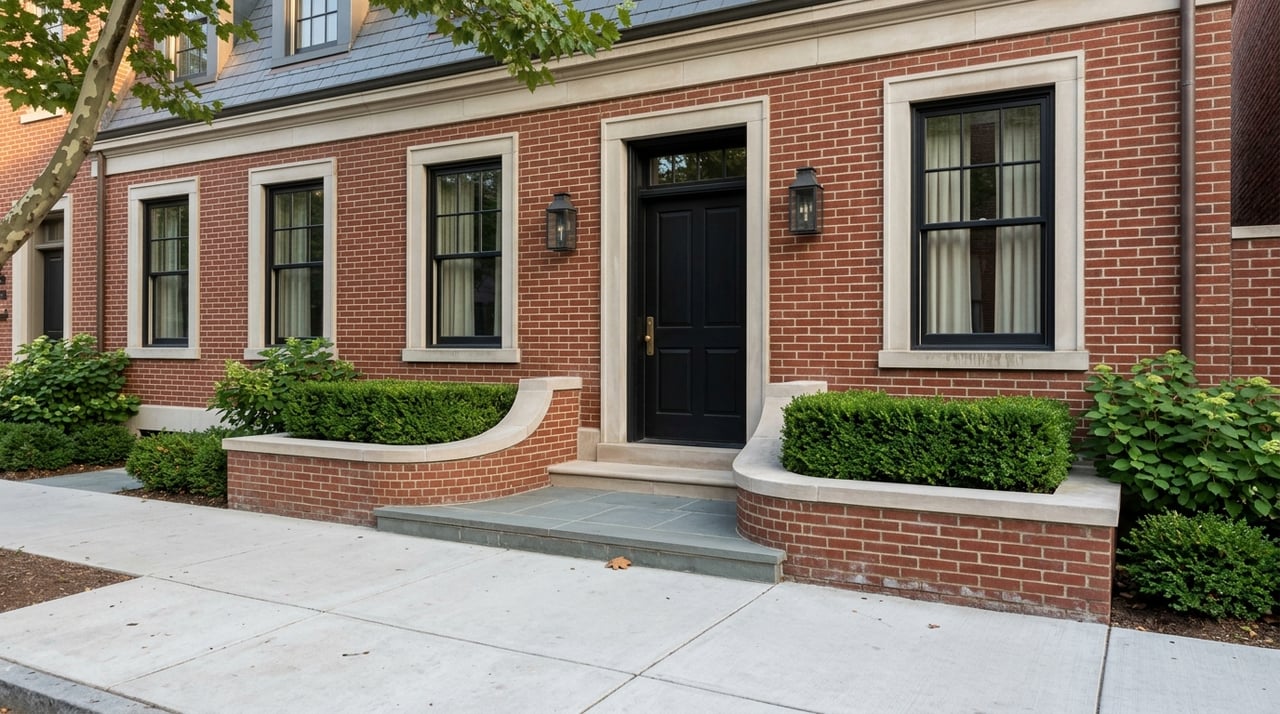
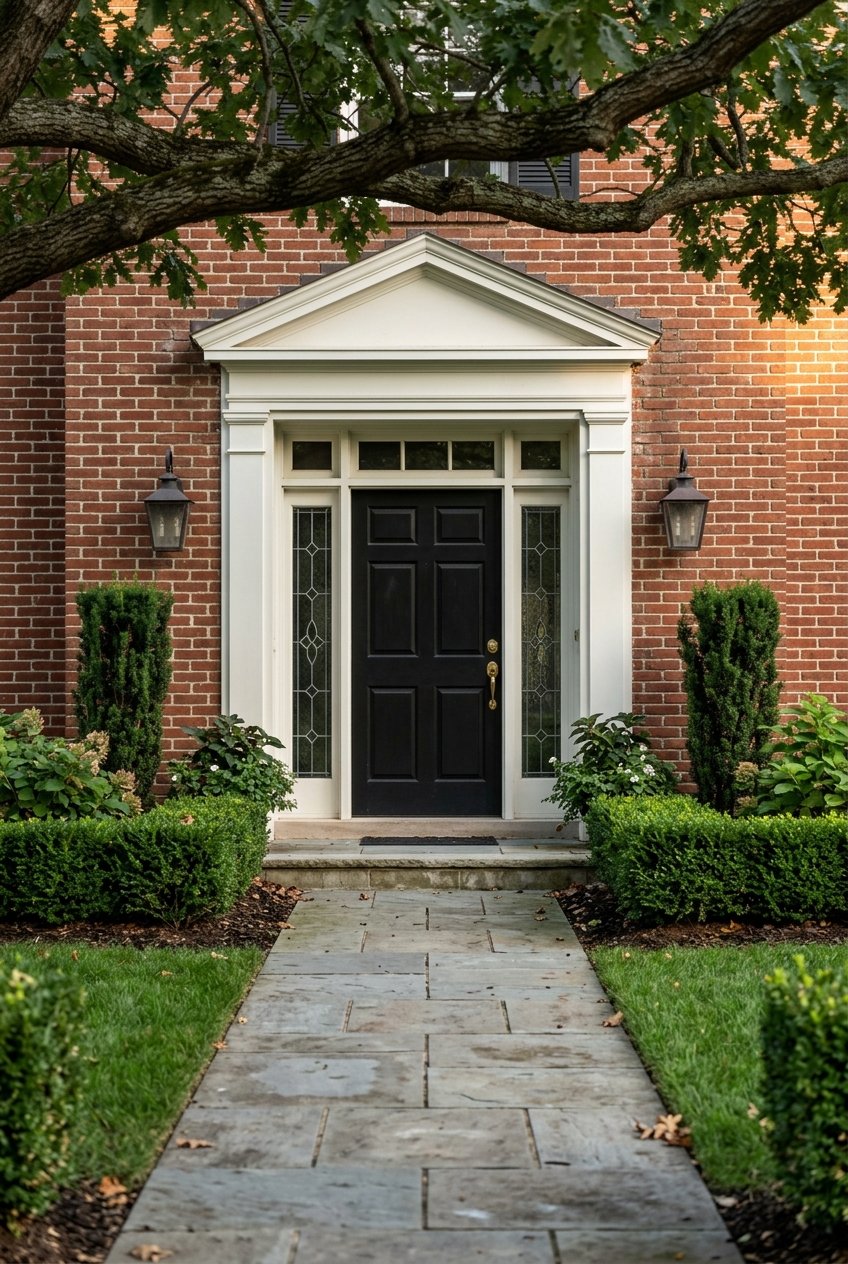
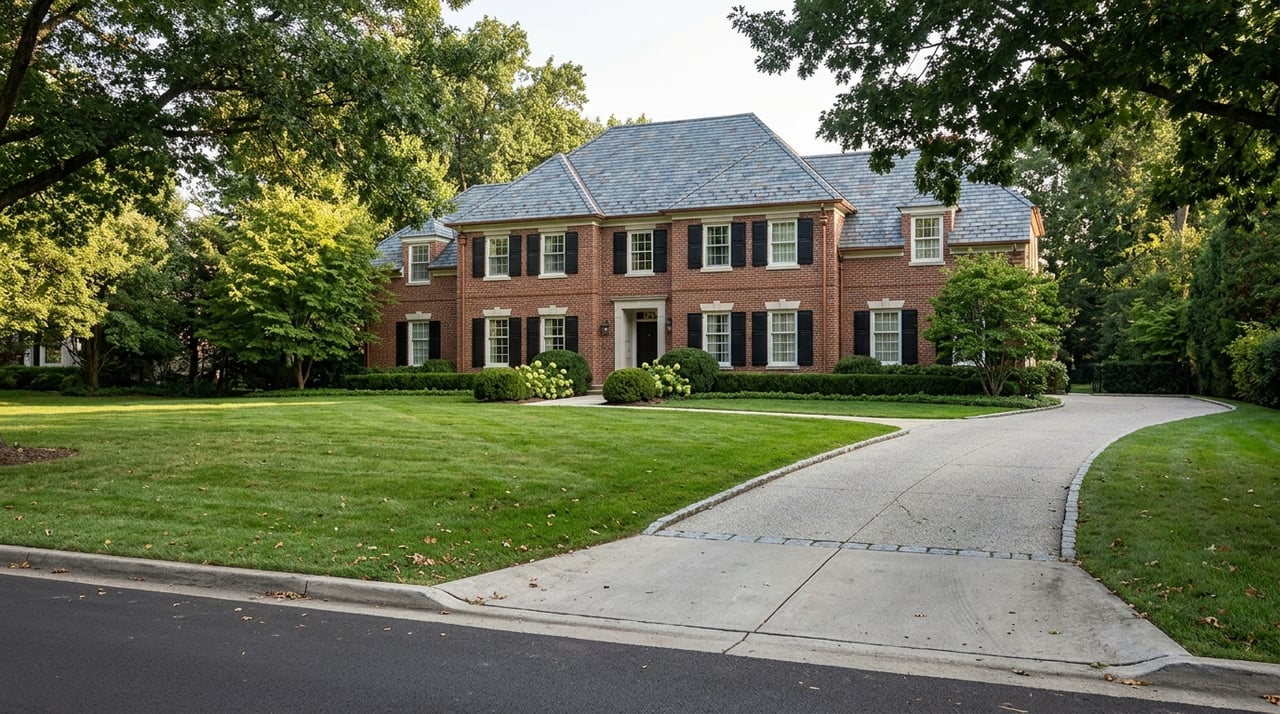
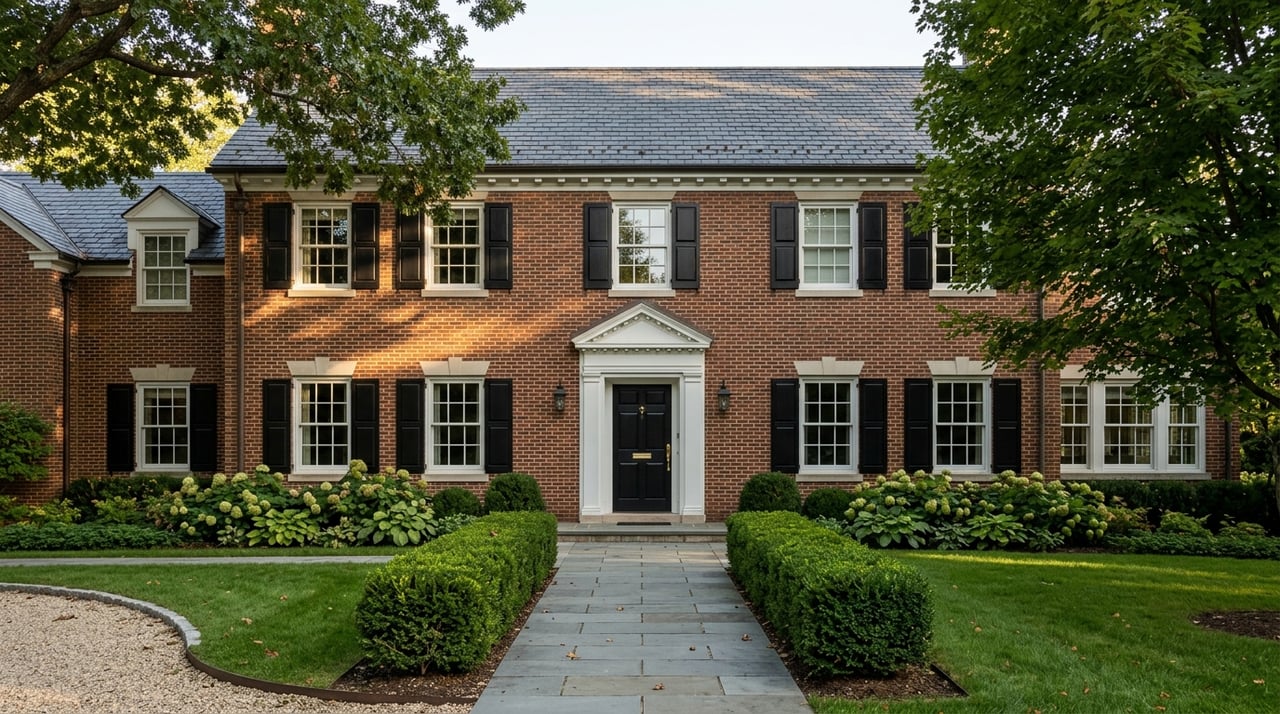
The city’s own design guidance reinforces that identity. Ladue’s Architectural Review Board says the goal is to preserve a spacious residential character defined by large homes, elegant cottages, mature vegetation, rolling hills, and predominantly single-family land use. In practical terms, everyday life here is shaped as much by the residential setting as by any commercial activity.
Morning Rhythm on Clayton Road
In Ladue, mornings often begin with a simple routine rather than a rush into a dense retail district. The city’s land-use pattern includes only a few neighborhood-oriented commercial areas, so daily errands and coffee stops tend to feel focused and familiar. That gives the area a quieter rhythm than places built around heavy foot traffic.
Two clear morning anchors are Companion Ladue and Kaldi’s Coffee Ladue, both on Clayton Road. Companion serves breakfast, pastries, soups, salads, and sandwiches daily from 7 a.m. to 3 p.m. Kaldi’s opens at 6:30 a.m. and offers free parking and Wi-Fi, with a setup designed for either a quick stop or a longer coffee break.
For residents, those places help create a repeatable pattern. You can imagine a weekday starting with coffee, a pastry, or a brief meeting before the rest of the day unfolds. In a community like Ladue, those smaller rituals often matter more than big entertainment options.
School Life Shapes the Week
Even if your household does not include school-aged children, school life is still part of Ladue’s visible rhythm. The Ladue School District includes an early childhood center, four K-4 elementary schools, a fifth grade center, a middle school, and a high school. On the 2025 count day, district enrollment totaled 4,492 students.
The district also describes parents and residents as highly active in advisory committees and parent organizations. That level of involvement helps explain why school events often feel woven into the broader community routine. Board meetings, conferences, camps, and holiday breaks all create a calendar that many local households are aware of.
For buyers thinking long term, this matters because it gives the area a dependable cadence. The weekly and seasonal schedule is not random. It tends to follow established institutional routines that residents recognize and plan around.
Country Clubs Are Part of Daily Life
In Ladue, country clubs are more than amenities. They are part of the area’s social structure and, in many ways, part of its history. The city’s 2020 budget history notes that early golf clubs helped shape Ladue’s residential growth as affluent residents bought land nearby.
That history goes back more than a century. The city identifies the Log Cabin Club in 1899, Bogey Club in 1910, St. Louis Country Club in 1914, and Old Warson Country Club in 1955 as part of that development story. For anyone trying to understand Ladue today, this is important context because club life here did not arrive later as a bonus feature. It was part of the area’s original draw.
Racquet Club Ladue offers a good example of how that culture still operates in everyday life. The club says members gather to play, dine, relax, socialize, and attend special events. Its facilities include indoor and outdoor tennis courts, pickleball, platform tennis, bocce, a fitness room, and swimming, and it even sets aside Thursday evenings for family dining night with children’s activities.
Old Warson Country Club presents a similar pattern with year-round dining plus social and recreational activities. Its guest guide also makes clear that customs, dress expectations, and decorum still matter. That detail says a lot about Ladue’s social rhythm: traditions are not just remembered here, they are actively maintained.
Parks and Preserves Offer a Quieter Counterbalance
For all the visibility of club life, Ladue also offers a quieter outdoor side. Nearby Tilles Park includes a playground, athletic field, shelter, reservable picnic site, tennis court, and parking. It gives residents an easy place for low-key recreation, family time, or a casual afternoon outdoors.
Inside Ladue, green space takes on a more preserved and landscaped character. The Garden Club of St. Louis says Rodes Park has long served as a beautification site, with daffodil plantings and memorial dogwoods adding to its local identity. That detail reflects a broader pattern in Ladue, where landscape care is often visible and intentional.
The city’s Deer Creek Preserve adds another layer to that outdoor rhythm. Ladue converted a former mulch site into a trail preserve and has held an Arbor Day celebration there. Great Rivers Greenway’s Deer Creek project also aims to connect Tilles Park, the Deer Creek Preserve Trail, and Ladue Horton Watkins High School, suggesting a longer-term effort to make everyday walking and biking routes more continuous.
Local Rituals Matter More Than Nightlife
One of the clearest things about Ladue is what it is not trying to be. It is not built around a busy entertainment district, a festival-heavy calendar, or a nightlife scene. Based on the city’s land-use pattern, club customs, school visibility, and landscape stewardship, the area reads as a place that values continuity and upkeep over constant activity.
That does not mean life here feels empty. It means the social energy tends to come from recurring habits rather than from public spectacle. A typical rhythm may include coffee on Clayton Road, school drop-offs or district events, time at a club, a walk in a park or preserve, and attention to home and landscape.
For some buyers, that pattern is exactly the appeal. If you are looking for a place where residential character is protected and daily life follows familiar, well-kept routines, Ladue offers a distinct version of that experience.
What This Means for Buyers and Sellers
If you are buying in Ladue, understanding these routines can help you evaluate fit beyond square footage and finishes. A home here is often tied to a broader lifestyle shaped by long-term ownership, established institutions, and a strong preference for privacy and upkeep. That is useful context when comparing Ladue with other parts of the Central Corridor.
If you are selling, those same patterns can influence how your property is positioned. Buyers are not only evaluating the house itself. They are also responding to the setting, the lot, the surrounding streetscape, and the everyday character of the community.
In a market like Ladue, details matter because buyers often make decisions based on the full residential experience. That is one reason local knowledge is so valuable when timing, presenting, and marketing a home.
If you are thinking about buying or selling in Ladue, The Ryan Tradition brings deep Central Corridor experience, thoughtful strategy, and the kind of neighborhood insight that helps you make a confident move.
FAQs
What is everyday life like in Ladue, Missouri?
- Everyday life in Ladue tends to center on stable residential routines such as morning coffee stops, school calendars, club activities, and time in parks or preserves rather than a busy downtown or nightlife scene.
How important are country clubs in Ladue?
- Country clubs are a visible part of Ladue life and history, with early golf and social clubs helping shape the city’s development and current clubs continuing to host dining, recreation, and social events.
What does the housing pattern in Ladue look like?
- Census data shows Ladue has a highly owner-occupied housing base, high home values, and strong year-to-year residential stability, which points to a long-term ownership pattern.
Are there parks and outdoor spaces in and around Ladue?
- Yes. Nearby Tilles Park offers recreation space and amenities, while places such as Rodes Park and Deer Creek Preserve reflect Ladue’s focus on landscaped green space and quiet outdoor use.
How does school life affect daily routines in Ladue?
- The Ladue School District has a large local presence, and its enrollment, events, meetings, and seasonal calendar help shape the weekly rhythm for many households across the community.