When we think about home improvement, we often focus on aesthetics or energy efficiency. However, one of the most impactful upgrades you can make is improving your indoor air quality. Poor air quality can contribute to allergies, fatigue, respiratory issues, and even long-term health problems. Especially in luxury homes, where comfort and wellness go hand in hand, maintaining clean indoor air is essential.
Whether you live in a historic estate or a newly constructed home in Missouri, here are proven ways to improve your home's air quality, backed by science and practical for daily living.
Keep Your Home Clean
The simplest step to better air quality is consistent cleaning. Dust, dander, pollen, and mold spores build up over time and settle on surfaces and in fabrics. Vacuum carpets and rugs at least once a week using a vacuum with a HEPA filter. Mop hard floors regularly and avoid letting clutter accumulate, as it can trap particles and make cleaning more difficult.
Wash bedding and drapes regularly and consider removing wall-to-wall carpeting if allergies are a concern. For luxury homes with large square footage, consider hiring a professional cleaning service that understands the importance of air quality.
Ventilate Strategically
Proper ventilation is key to reducing indoor air pollutants. Opening windows can help, but it’s not always practical depending on the weather or outdoor air conditions. Instead, use kitchen and bathroom exhaust fans to expel moisture and contaminants. Whole-house ventilation systems or energy recovery ventilators (ERVs) are excellent options for large or modern homes, providing continuous air circulation without energy loss.
In homes located in more humid parts of Missouri, controlling moisture through ventilation helps prevent mold growth, which can dramatically affect air quality.
Invest in an Air Purifier
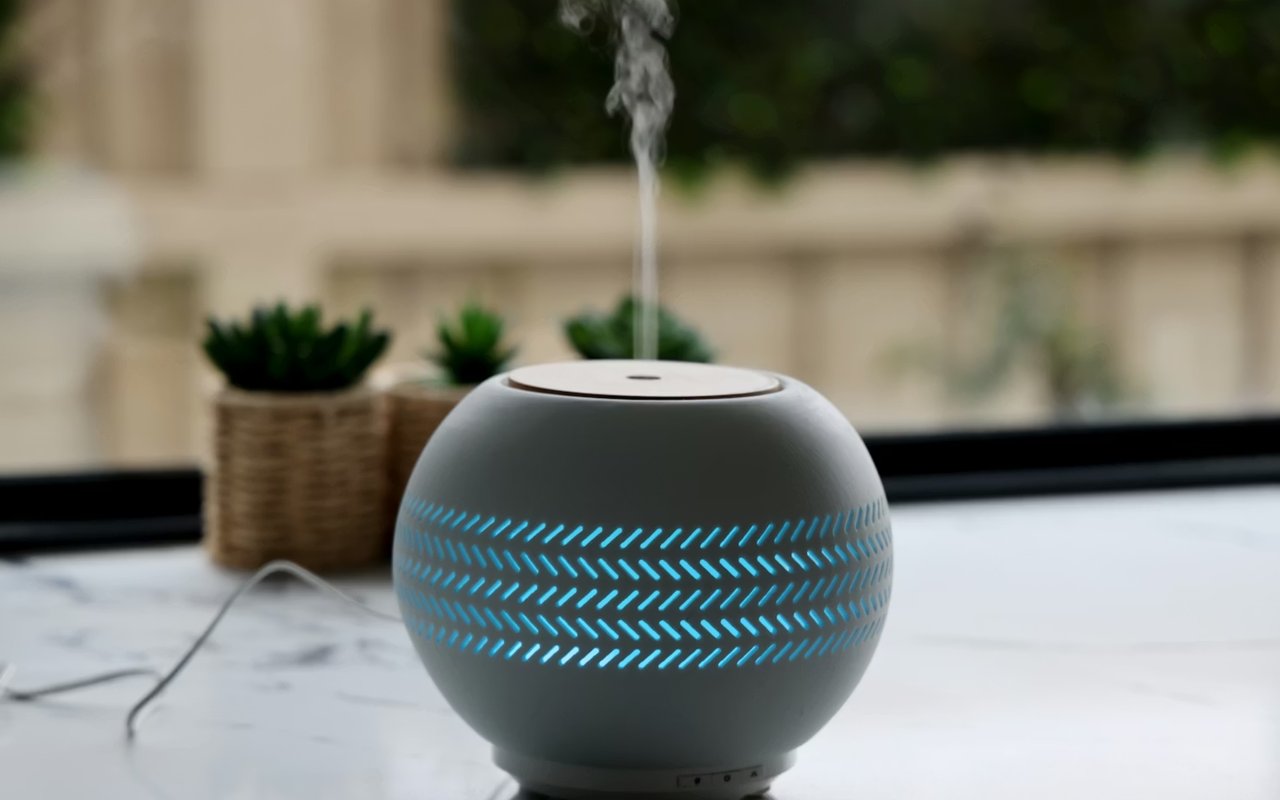
Air purifiers have become more advanced and effective in recent years. For best results, choose a purifier with a true HEPA filter, which can remove up to 99.97% of airborne particles. Activated carbon filters are also beneficial for removing odors and volatile organic compounds (VOCs).
Place purifiers in the rooms where you spend the most time, such as bedrooms and living areas. For larger homes, whole-house air purifiers that integrate with your HVAC system are an excellent long-term solution.
Maintain Your HVAC System
Your heating, ventilation, and air conditioning (HVAC) system plays a major role in maintaining healthy indoor air. Replace filters every one to three months depending on usage and the presence of pets or allergies. Opt for high-efficiency filters that capture finer particles.
Have your ducts professionally cleaned every few years to prevent dust buildup and ensure efficient airflow. Schedule seasonal maintenance for your HVAC unit to make sure it's functioning optimally year-round.
Control Humidity Levels
Moisture is a major contributor to poor indoor air quality. High humidity encourages mold and mildew, while low humidity can irritate respiratory systems. The ideal indoor humidity level is between 30 and 50 percent.
Use a hygrometer to monitor humidity, and install humidifiers or dehumidifiers as needed. Whole-home humidity control systems are especially useful in luxury residences and can be managed via smart home integration.
Be Mindful of Household Products
Many everyday cleaning and personal care products contain chemicals that release VOCs into the air. These compounds can cause headaches, eye irritation, and respiratory problems.
Choose low-VOC or fragrance-free cleaning products, paints, and furnishings. Open windows or use fans when painting or using strong-smelling products. Consider making your own cleaners with natural ingredients like vinegar, baking soda, and essential oils.
Choose low-VOC or fragrance-free cleaning products, paints, and furnishings. Open windows or use fans when painting or using strong-smelling products. Consider making your own cleaners with natural ingredients like vinegar, baking soda, and essential oils.
Incorporate Houseplants
Certain houseplants can naturally improve indoor air quality by absorbing toxins and releasing oxygen. While not a replacement for good ventilation or air purifiers, they are a beautiful and beneficial addition to any home.
Some top air-purifying plants include:
- Peace lily
- Spider plant
- Snake plant
- Areca palm
- Rubber tree
Be sure to research which plants are safe for your pets, and rotate or clean them regularly to prevent dust buildup on leaves.
Remove and Replace Pollutant Sources
If you’re renovating or moving into a new home, be proactive about choosing materials and furnishings that don’t off-gas harmful chemicals. Formaldehyde, often found in pressed wood and synthetic materials, is a common indoor pollutant.
Opt for solid wood furniture, natural fibers, and products that have been certified by GreenGuard or similar environmental standards. When installing flooring, look for low-VOC adhesives and finishes. These choices can significantly reduce long-term pollutant exposure.
Upgrade Your Windows and Insulation
Older homes may suffer from poor air circulation or drafts that bring in unfiltered outdoor air. Upgrading windows with energy-efficient, sealed options can help maintain cleaner air indoors while improving energy efficiency.
Proper insulation also prevents moisture intrusion and temperature swings, both of which can compromise indoor air. For homes in Missouri that experience seasonal extremes, these upgrades improve both air quality and overall comfort.
Regularly Test for Indoor Pollutants
If you have concerns about specific pollutants, such as radon, carbon monoxide, or mold, consider professional indoor air testing. Home test kits are available, but they may not be as accurate as professional assessments.
Radon is a naturally occurring gas that can enter through the foundation and is common in parts of Missouri. It’s colorless and odorless but can pose serious health risks over time. Installing a radon mitigation system is often straightforward and can offer peace of mind.
Make Air Quality Part of Your Home Wellness Plan
Luxury living isn’t just about aesthetics. It’s about creating a home that supports physical and mental well-being. Incorporating air quality into your overall home wellness plan ensures your environment contributes to a healthy, balanced lifestyle.
Whether you’re building a custom home or updating your current residence, consider working with professionals who prioritize air quality in design and maintenance plans. Smart systems can help you monitor air quality in real time and make adjustments automatically.
Partner with an Expert in Missouri Real Estate
If you’re searching for a new home in Missouri where air quality and comfort go hand in hand, work with a real estate expert who understands the importance of wellness-oriented living. John Ryan of The Ryan Tradition is a trusted advisor in Missouri’s luxury real estate market.
With his deep knowledge of local properties and commitment to client wellness, John can help you find a home that supports your health, comfort, and lifestyle goals. Whether you’re looking for modern new construction or a character-filled estate ready for a healthy makeover, The Ryan Tradition has the experience to guide you.
Visit The Ryan Tradition to start your search for a home where the air is as fresh as the living is refined.
Final Thoughts
Improving indoor air quality is one of the smartest ways to invest in your health and the long-term comfort of your home. From simple daily habits to whole-home upgrades, these steps make your space more livable and enjoyable.
With the right strategies and a knowledgeable real estate partner like John Ryan, you can create or find a Missouri home that’s as healthy as it is beautiful. Discover your dream Fontenac home today!