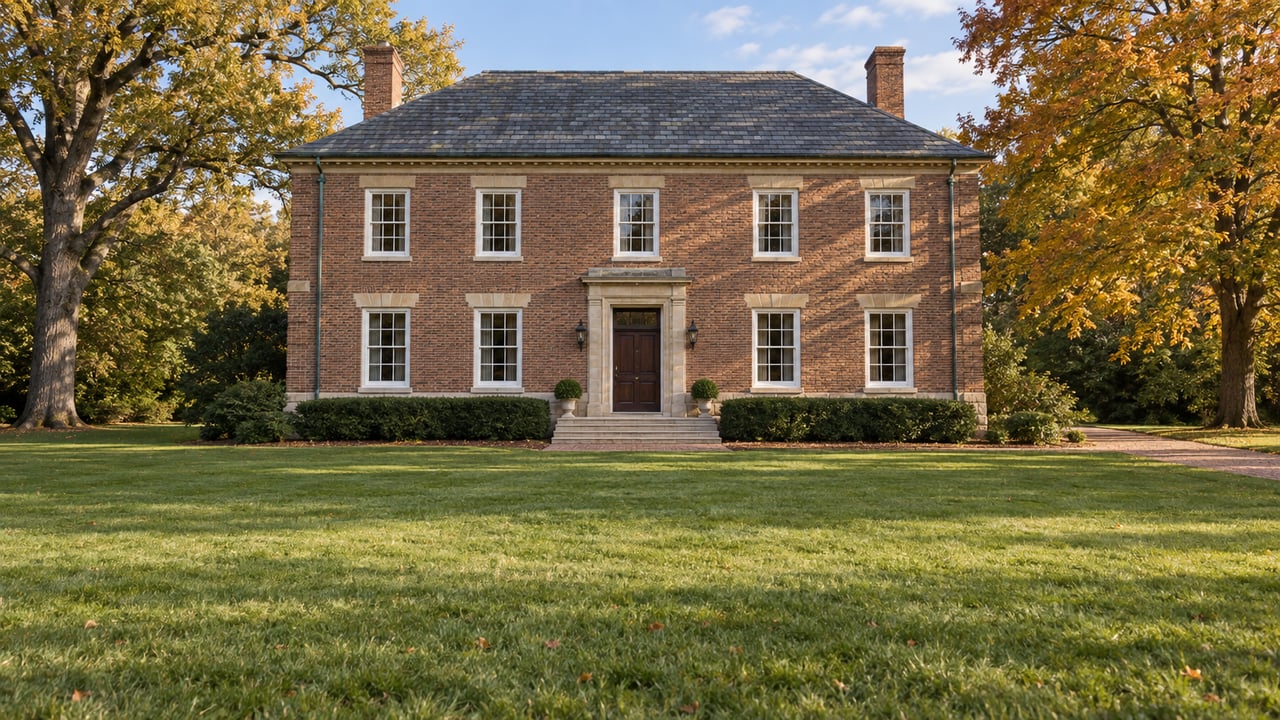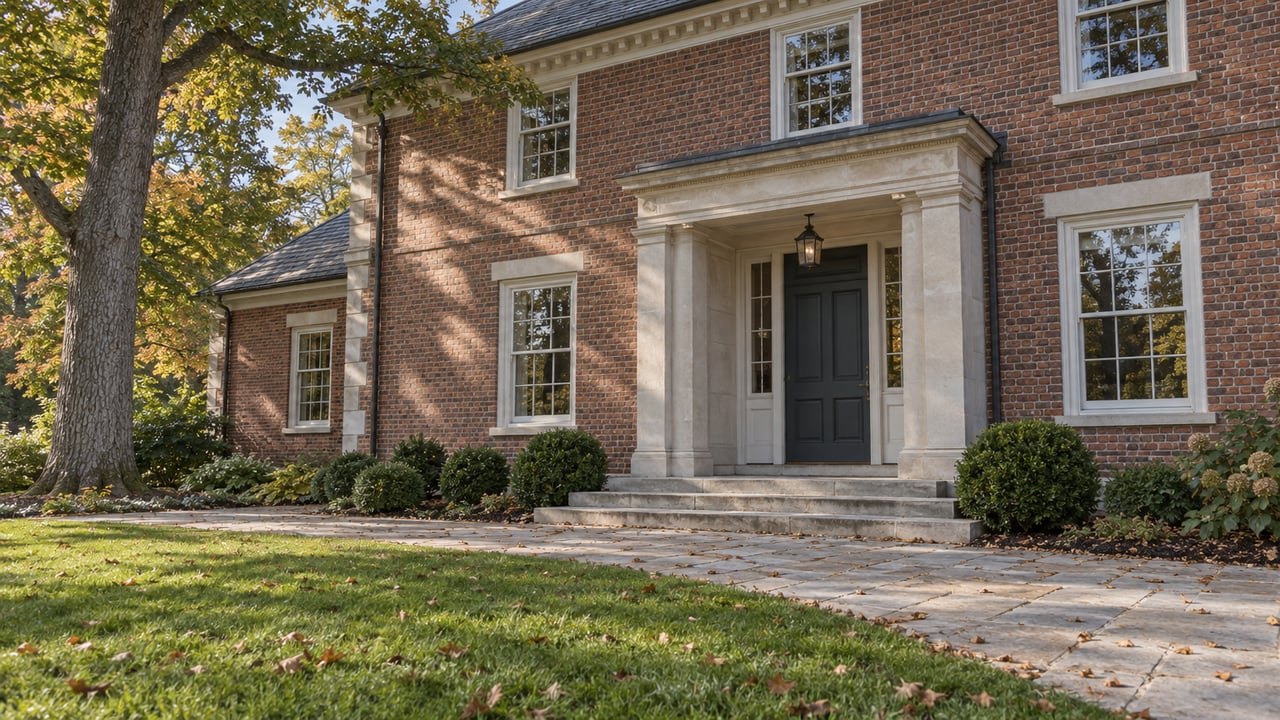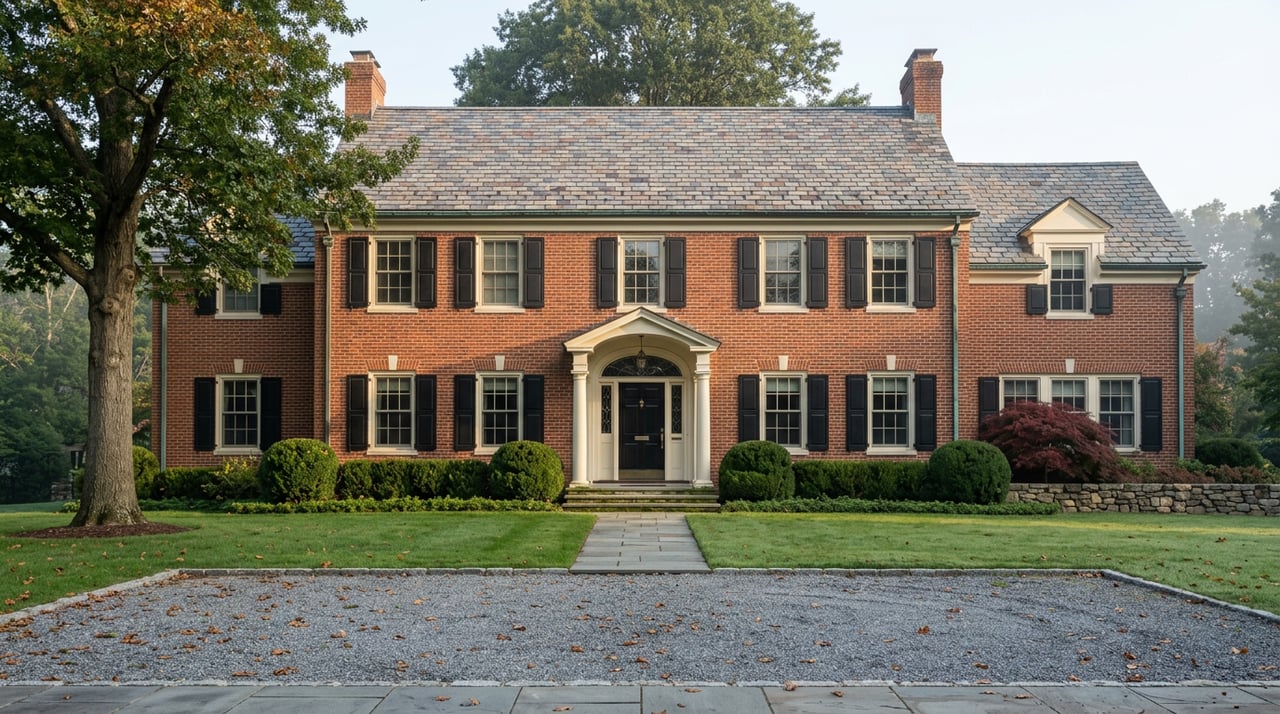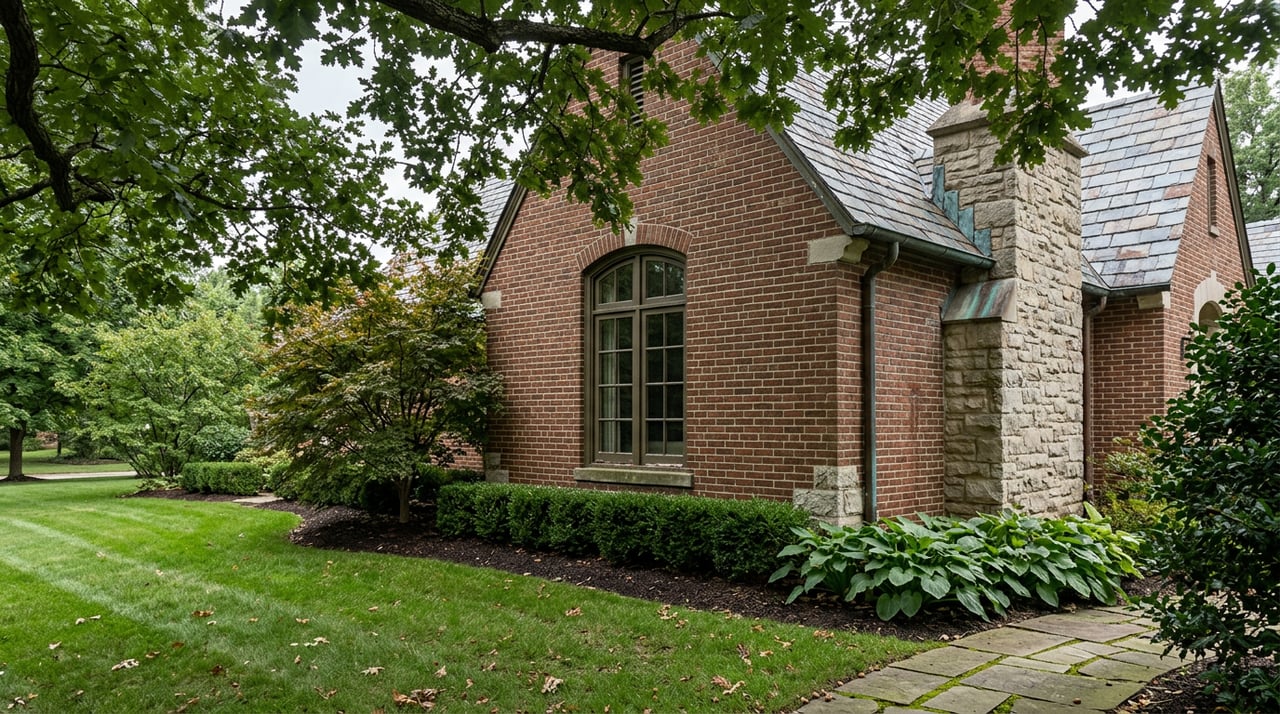
On North Mosley Road, a small brick ranch sits on nearly an acre of mature trees, listed at $325,000 with a single word doing all the marketing: "Teardown." The listing sheet implies a straightforward trade. Buy the dirt, clear the structure, build something new. Anyone who has watched Creve Coeur's older neighborhoods fill in with fresh construction over the past decade would assume the math is easy.
It isn't, and the reason has nothing to do with the house.
Creve Coeur has the two ingredients that make a teardown market: a city with almost no raw land left to develop and a large stock of older single-family homes sitting on lots that could support something bigger. That combination is exactly what draws builders in. But it also draws them into a permitting process that has gotten more particular in the past few years, and that particularity changes who bids on a lot like the one on Mosley Road, how fast they move, and what they're willing to pay.
The step that happens before the bulldozer
In October 2022, the Creve Coeur City Council passed Ordinance No. 5809, adding tree protection and replacement requirements to the city's zoning code for certain single-family residential projects. New homes on existing platted lots and most demolitions fall under it.
The mechanism is a Tree Protection and Replacement Plan, and it has to be prepared by a licensed landscape architect, a registered architect or engineer, or an arborist certified by the International Society of Arboriculture. That plan has to survey every tree on the property six inches in diameter or larger, name the species, record the size, and state whether each one will be removed or preserved. It also has to show where any trees were removed in the twelve months before the application was filed.
Once that plan is approved, tree protection fencing goes up around the dripline of every tree being saved, and the city inspects it before any site work starts. A final report has to confirm the fencing held and the protected trees survived before the city will release the compliance funds tied to the permit and sign off on occupancy.
For a builder pricing a lot, that's an arborist's invoice, a design review cycle, and a hold on part of the project's funds until the last inspection clears. None of that shows up in the listing photos.
The demolition itself has its own clock
Once the tree plan clears, the demolition permit brings its own set of constraints. The city requires a bond, at minimum $1,500, sized to guarantee the site gets properly cleared, graded, seeded or sodded, and controlled for stormwater and erosion. Under the building code amendments the city adopted for 2021 and put into effect in April 2025, demolition work itself has to be completed within 30 days of the permit being issued, with 30-day extensions available only if the builder puts the request in writing and shows a justified reason.
After the house comes down, the lot can't just sit. Creve Coeur's code requires full site restoration within 90 days of demolition unless a building permit for the replacement structure has already been issued and construction has started. A builder who tears a house down speculatively, without a buyer or a finished plan lined up, is working against that 90-day window.
The building permit that follows has its own review layer. Plans need a Missouri-registered design professional's stamp, and single-family projects typically need sign-off from the local fire district before the city will issue the permit. Once issued, the permit lapses if work doesn't start within 180 days, and a residential project has one year to finish before the permit expires.
Put together, a builder bidding on a Creve Coeur teardown lot isn't just pricing lumber and labor. They're pricing an arborist survey, a design review cycle, a bond, a tight demolition clock, and a construction runway that has to be planned before the first permit is even filed. Some builders decide that math doesn't pencil out here the way it does in cities with lighter review, and they simply don't bid.
What the actual listings show
Walk through what's currently on the market in Creve Coeur and the pattern becomes visible. That .94-acre lot on Mosley Road is marketed purely as land at $325,000, no structure value attached. A few streets over, Santino Court is a ground-up new neighborhood built by UIC Homes, with finished homes listed between roughly $816,500 and $909,500. On Larkin Avenue, a new home from Dublen Homes is going up on a .49-acre lot at $739,900.
Then there's the renovation track, which is a different product entirely. A ranch on Ladue Heights Drive, fully redone by Property Works LLC, is listed at $599,950. Another on Ladue Estates Drive, zoned to Ladue Schools, sold as a tastefully updated 4-bedroom at $899,000 without ever going near a demolition permit.
As of July 2026, Creve Coeur's citywide median list price sat at $431,000, roughly $193 per square foot. That number is a blend of all three of these products: raw teardown land, new construction from named local builders, and renovated older homes that never touched the permitting process described above. A single median doesn't tell a seller which track their own property belongs on, and treating an older home as automatic teardown value because a similar lot down the street sold to a builder skips the step that actually determines the outcome.
What this means if you're selling an older home
If your property looks like a candidate for the teardown track, the ordinance and permit timeline are underwriting risk that a buyer will price into their offer whether you address it or not. Having a sense of what's actually on the lot, even an informal count of mature trees over six inches in diameter, gives your agent something concrete to put in front of a builder before they commission their own survey. It also signals that you understand what you're selling, which matters in a negotiation where the buyer already knows more about the permitting process than most sellers do.
It's also worth being honest about which track your home actually fits. A well-maintained ranch with good bones, like the ones on Ladue Heights Drive or Ladue Estates Drive, may be worth more marketed as a renovation opportunity than as a land play, especially once a buyer factors in the cost and delay of the tree ordinance and demolition bonding. Pricing a home as a teardown when it would sell better as a renovation candidate leaves value on the table.
What this means if you're buying a "great lot, small house"
If you're the one eyeing that Mosley Road listing, ask whether a Tree Protection and Replacement Plan already exists for the property before you write an offer that assumes a clean demolition timeline. If it doesn't, budget for an arborist's survey and a design review cycle before you can even pull a demolition permit, and plan your construction timeline around the 90-day restoration clock rather than around when you'd like to break ground.
None of this makes Creve Coeur a bad market for a teardown project. It makes it a market where the permitting process is part of the deal, not paperwork that happens after the deal closes.
A few questions worth asking directly
Does the tree ordinance apply to every home renovation in Creve Coeur? No. Section 405.560 applies to certain single-family residential projects, including new homes on existing platted lots and most demolitions. A remodel that doesn't disturb protected trees or require a demolition permit may fall outside it, but it's worth confirming with the city's Planning Division before assuming either way.
How fast does a demolition actually have to happen once the permit is issued? Under the building code amendments in effect since April 2025, demolition work has to be completed within 30 days of permit issuance. Builders can request a 30-day extension in writing if they can show a justified reason.
What happens if a builder demolishes a house and doesn't start construction right away? The lot has to be graded, filled, and reseeded or sodded within 90 days of the demolition unless a building permit for the new structure has already been issued and construction has already started.
If you're weighing whether an older home in Creve Coeur is a renovation candidate or a genuine builder play, that's exactly the kind of read The Ryan Tradition is built for. Contact us before you list, or before you write an offer, and we'll help you see which track the property actually belongs on.